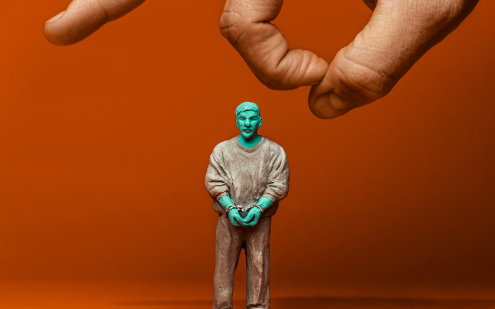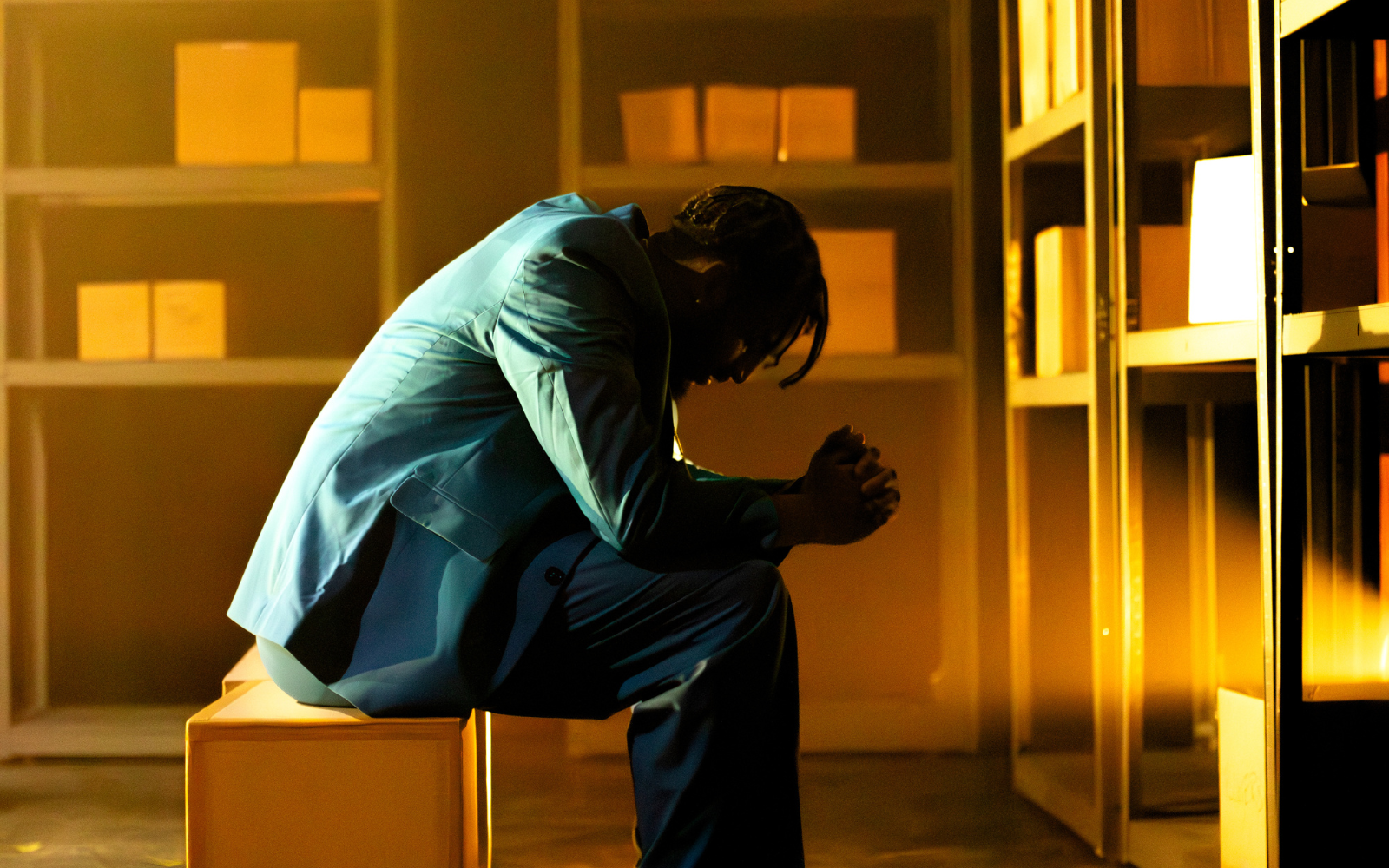
LUNG’s Woodhill combines the form of documentary theatre and dance to give voice to families who’ve lost sons and brothers to self-inflicted deaths at HMP Woodhill.
We caught up with cast members Miah Robinson, Marina Climent, and Tyler Brazao ahead of their performance at Norwich Theatre Playhouse to discuss the show, the emotional toll it can take, and how the production has reshaped their views on the justice system.

Favourite line or memory from the show
Miah: “No, I refuse to let sleeping dogs lie.” – Powerful & fearless
Marina: My favourite memory of the production was seeing the impact the show had on a social level, outside of the theatres and audiences; at the end of the day, the show is just the visual part of an incredible campaign LUNG and the Woodhill families have been doing for a long time!
Tyler: It’s really hard to pinpoint just one memory from the rehearsal process to performing to an audience. Knowing the reasoning behind the show made the whole process a journey and an experience I could never forget. Being part of something so powerful is about the bigger picture.
You are voicing the real words of families who have lost loved ones — how do you prepare for and protect yourself from the emotional weight of carrying those testimonies night after night?
Miah: The way you protect yourself is by clinging to your art form, I believe. The only way to articulate the story in both a genuine and gripping light is to separate yourself from the person you are to the shoes you are stepping into.
Marina: At the beginning, it felt incredibly hard. Witnessing the families’ reactions when they joined us in rehearsals, and feeling the weight of audiences experiencing the piece for the first time, made it deeply emotional. What made a huge difference was the company’s support from the very start. Over time, you begin to adapt. It doesn’t get lighter exactly, but it becomes more familiar.
Tyler: I do this through method acting; I am not only voicing their story. I am using this for the loved ones I have also lost. For me, this is a good opportunity to showcase my ability on stage, whilst using the show as an outlet rather than keeping the emotion within.


Did meeting or hearing from the Woodhill Families directly shape how you approach performing their words, and if so, in what way?
Miah: Definitely – Meeting both Carole and Linda allowed a harsh reality to be further understood. I saw a lot of the pain that had turned into momentum and power in both of them, and it amplified my motivation to communicate their story as best I could.
Marina: For me, the script felt impactful from the very beginning. Being verbatim, there’s something incredibly direct about it—the words are clear, unfiltered, and they bring you face to face with reality almost immediately. There’s no distance or softening—you’re drawn straight in. But everything shifted when we met the families involved. Suddenly, it wasn’t just a story anymore; it became something deeply human, something tangible and personal. Their presence, their voices, their experiences… It adds a whole new layer of meaning and truth to what we’re trying to communicate on stage.
Tyler: Hearing from the Woodhill family members definitely added a realness to the show; there’s something very powerful about hearing a story directly from those who have lived through and been affected by these events. It pushed me to work harder in my performances so the families get their stories told the right way, without doing an injustice to their loved ones.
The piece combines verbatim text with dynamic choreography — how does it feel to communicate this story through movement as well as language, and how do the two interact for you as a performer?
Miah: The words offer an account of the reality that is and has been. The dance allows you to see and feel those words on a second plane. So the audience is not only hearing the truth; they are seeing it exhibited in a visibly digestible form
Marina: I’ve always believed in movement as a way of telling stories, and this process has reinforced that belief even more. It’s pushed me to listen, to feel, and to respond in a much deeper way. And Alex (choreographer) has been incredible throughout this journey—so intuitive in bringing together everyone’s unique strengths to shape each character’s physical vocabulary with care, and weaving everything together so the story and the text can truly breathe and come alive.
Tyler: For me, it is important to combine the two; being able to pan in on multiple senses at the same time, I think, leaves the members of the audience with more of a lasting memory of how they felt during the show. They aren’t just seeing something visual; they are also hearing it at the same time.


Has being part of this production changed how you think about the prison system or the people inside it?
Miah: Yes – I think it has opened my eyes to a perspective that I otherwise wouldn’t have seen or had the exposure to explore. Because of the nature of prison systems, you are not shown the depths of the experience and how it can affect those within the system and those supporting the individuals in the system.
Marina: It has definitely added something new. It’s given me deeper insight and allowed me to see the situation from a different angle, one that feels much more personal. And of course, it’s exposed me to real experiences and lived realities that aren’t always visible or spoken about in the media or the news.
Tyler: I would say this show has changed my perspective regarding the prison system. I believe there is a lot of corruption and injustice. It was interesting and eye-opening to see how we, as humans, can treat each other once someone is labelled a certain way. In some ways, it’s like we take their humanity away, which is reflected in the stories we have heard from the family members of those who were in Woodhill.
This show has an active campaign attached to it. Does knowing the work has a political purpose beyond the stage change how you think about your role in it?
Miah: Yes – it allows me to contribute to change and use my art form to reach audiences that can either be inspired or motivated to drive change or continue the momentum, and I feel very honoured to be a vessel for that.
Marina: It definitely gives the whole project a deeper sense of purpose. And although it might sound a bit cliché, it’s incredibly powerful to witness how theatre can shine a light on something and make it more visible, and I am very proud to be part of that.
Tyler: I advocate for the things I believe in; Woodhill is a prime example of that—stories that deserve to be told, stories that deserve to be recognised.
I only hope this show prompts change, not only for those who have unfortunately had to go through this, but for those who continue to go through it, so that people in the future don’t have to.